

Retail loss prevention is a critical element for managing successful retail operations, especially in a bustling city like Melbourne. With a dynamic market and a growing need for professional security guard services, it is essential to implement strategies that protect merchandise from theft, administrative mistakes, and other losses. This article covers the key methods and retail loss prevention techniques that Melbourne retailers can use to secure their stores, while also discussing the roles of loss prevention officers and retail security guards in maintaining a safe environment.
Understanding Retail Loss Prevention
To properly safeguard your store, it is important to understand the fundamentals of retail loss prevention and the significance of having dedicated security personnel.
What is Retail Loss Prevention?
Retail loss prevention refers to the systematic approach of reducing shrinkage caused by theft, fraud, or errors. It includes physical security measures, technology integration, and proper staff training to monitor and protect inventory. For Melbourne businesses, a robust retail loss prevention plan is an investment in protecting revenue and maintaining customer trust.
The Role of a Loss Prevention Officer and Retail Security Guard
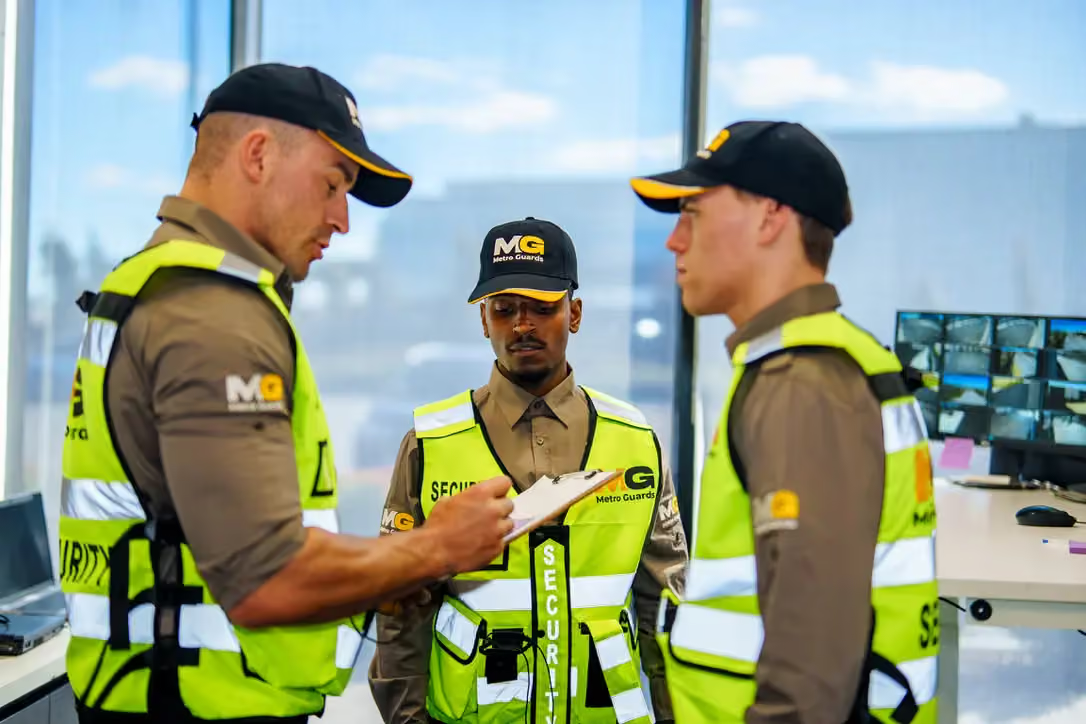
A loss prevention officer plays a key role in overseeing security protocols, while a retail security guard works on the front lines to monitor store activity. These professionals are trained to identify suspicious behavior and intervene when necessary, ensuring that the store remains safe for both customers and employees. Their presence is particularly valuable in busy Melbourne retail environments, where high foot traffic can sometimes lead to security challenges.
Common Types of Retail Loss in Melbourne
Shoplifting Incidents
Shoplifting remains one of the primary causes of retail shrinkage in Melbourne. With crowded shopping districts and busy stores, thieves often take advantage of lapses in monitoring. A visible security guard and strategically placed cameras can help deter potential shoplifters.
Employee Theft
Losses can also occur internally. When employees misuse their access to inventory, it affects the overall profitability of a store. Clear policies and regular oversight by management, combined with the vigilance of a retail security guard, help mitigate these risks.
Administrative Errors
Even unintentional mistakes in inventory management, pricing, or returns can add up to significant losses. Establishing strict protocols and routine audits ensures that these errors are caught early and addressed promptly.
Strategies and Techniques for Loss Prevention
Surveillance Systems
Investing in a comprehensive surveillance system is fundamental to reducing loss. In Melbourne, where retail spaces are often in high-demand areas, state-of-the-art monitoring can make a notable difference.
CCTV Implementation
High-resolution CCTV cameras strategically placed in the store are essential. These cameras help monitor all areas, providing clear evidence in the event of an incident. Modern systems offer features such as remote viewing and real-time alerts, allowing for immediate response when irregularities are detected.
Remote Monitoring Solutions
Remote monitoring enables store managers and security teams to keep an eye on store activities even when they are not physically present. This technology is particularly useful for chain stores or businesses operating multiple outlets in Melbourne.
Employee Training and Engagement
Staff training is a cornerstone of effective loss prevention. By instructing employees on how to identify and report suspicious behavior, retailers build a stronger defense against potential losses.
Establishing a Culture of Accountability
A workplace where every team member understands their responsibility in protecting the store fosters better cooperation. Regular staff meetings and clear security protocols ensure that everyone is on the same page, minimizing risks from internal and external sources.
Regular Training Programs
Scheduled training sessions ensure that employees are updated on the latest security procedures and technologies. Practical workshops and scenario-based training enable staff to react appropriately in critical situations.
Inventory Management Systems
Technology and Security Integration
Modern inventory management systems combine traditional tracking methods with advanced security features. By using barcodes, RFID tags, and real-time data, Melbourne retailers can keep an accurate record of all merchandise. This integration reduces the likelihood of shrinkage and supports the work of the retail security guard by alerting them to discrepancies.
Auditing and Reporting
Frequent audits and detailed reporting mechanisms help identify any inconsistencies in inventory. These reports serve as an early warning system for potential loss issues and assist in maintaining overall operational integrity.
Store Layout and Design
Visibility and Accessibility in Stores
The physical design of a retail space plays a significant role in loss prevention. Stores with clear sight lines and ample lighting reduce blind spots where theft might occur. A well-designed layout also helps security personnel maintain a comprehensive view of the store.
Strategic Placement of Merchandise
High-value items should be placed in areas with heightened surveillance. Positioning these products near checkout counters or in spaces monitored by a retail security guard can significantly reduce the risk of theft. Using locked display cases for select items is another practical measure.
Security Personnel
Role of the Loss Prevention Officer
A dedicated loss prevention officer is central to managing security protocols. This professional not only monitors activities but also coordinates with store management and local law enforcement when necessary. Their expertise in identifying security risks makes them an indispensable part of the retail security team.
Contributions of the Retail Security Guard
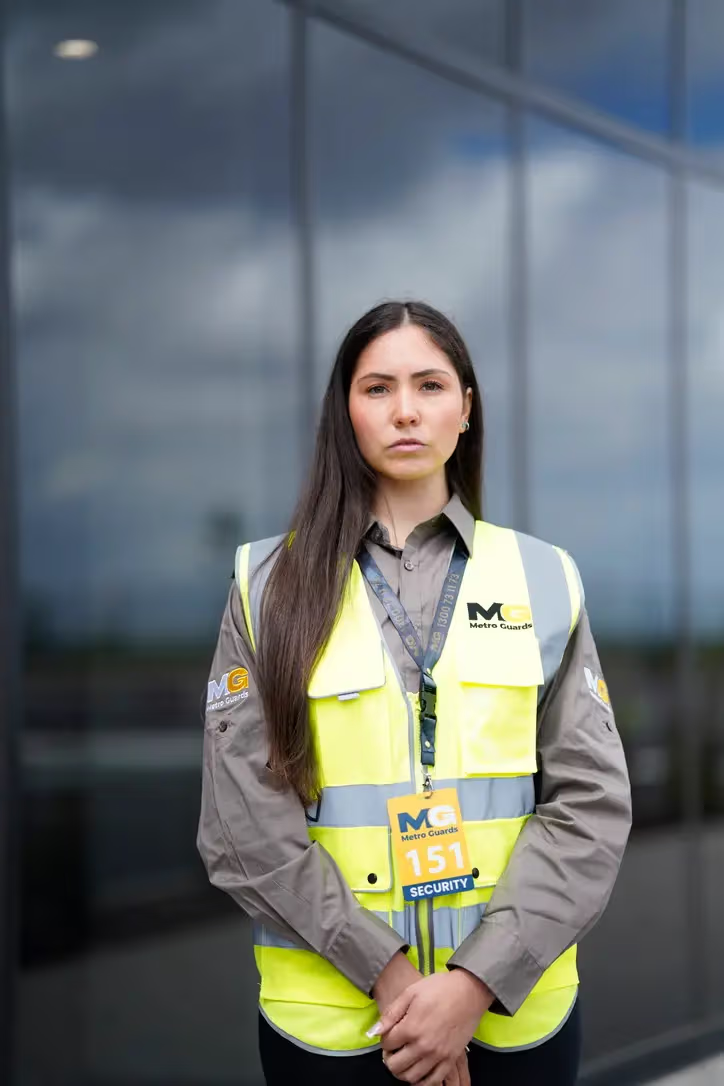
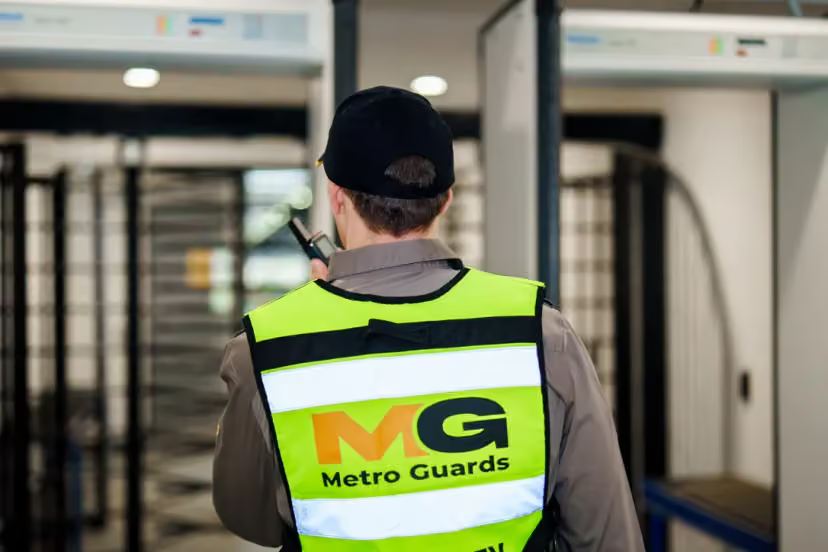
The retail security guard is often the first point of contact in a security breach. Their presence in the store provides reassurance to customers and acts as a deterrent to potential thieves. In Melbourne’s competitive retail environment, a proactive security guard service is vital for maintaining safety and order.
Advanced Technologies in Retail Loss Prevention
Artificial Intelligence and Machine Learning Applications
Modern security solutions in Melbourne retail environments often incorporate artificial intelligence and machine learning. These technologies analyze behavioral patterns, flag unusual activities, and assist security personnel in making informed decisions. By processing large amounts of data, AI tools can pinpoint potential risks before they escalate.
RFID and Electronic Article Surveillance Systems
RFID technology and electronic article surveillance (EAS) systems provide real-time tracking of merchandise. These systems alert security teams when an item is removed from the store without proper checkout procedures. They also support accurate inventory management, further reducing loss prevention risks.
Best Practices for Implementing Loss Prevention Techniques in Melbourne
For a robust loss prevention strategy, consider the following practices:
Conduct Routine Risk Assessments: Evaluate every aspect of the store’s security regularly to pinpoint vulnerable areas.
Integrate Technology with On-Site Oversight: Combine modern monitoring systems with the constant presence of a retail security guard and loss prevention officer.
Maintain Open Communication: Ensure that all staff members can report concerns without hesitation.
Stay Informed on New Security Trends: Keep up with the latest developments in technology and security protocols to continually improve your approach.
Overcoming Challenges in Retail Loss Prevention
Implementing effective security measures in a busy retail environment comes with challenges. Budget limitations, staff reluctance to change routines, and the complexity of new technology can hinder progress. Some practical steps include:
Cost-Effective Security Solutions: Start with basic measures such as improved store layout and visible security personnel. Gradually integrate more sophisticated systems as budgets allow.
Gaining Staff Cooperation: Involve employees in planning and decision-making. When staff understand the importance of each security measure, they are more likely to follow protocols.
Phased Implementation: Roll out new technologies in stages to allow for adjustments and proper integration without causing disruption to daily operations.
Future Trends in Retail Security and Loss Prevention
The landscape of retail security in Melbourne is continually evolving. Some trends to watch include:
Integration of IoT Devices: