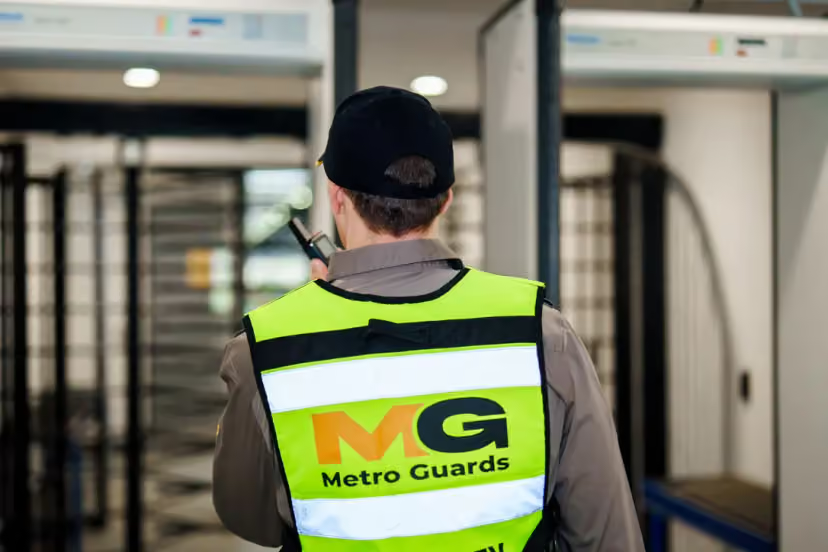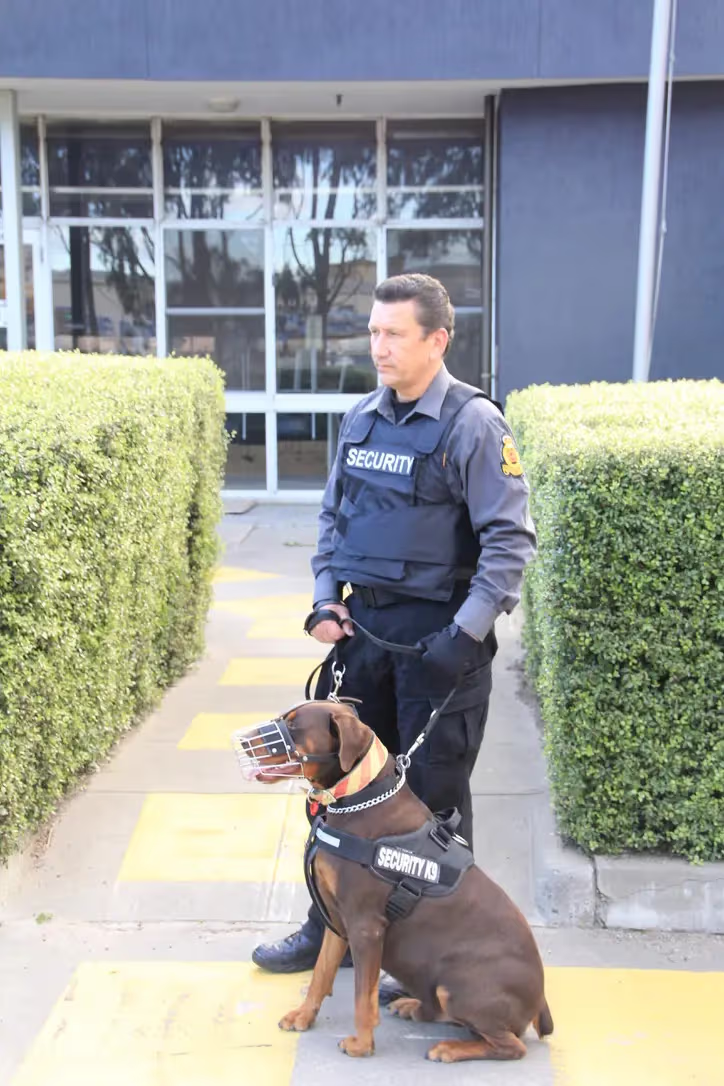


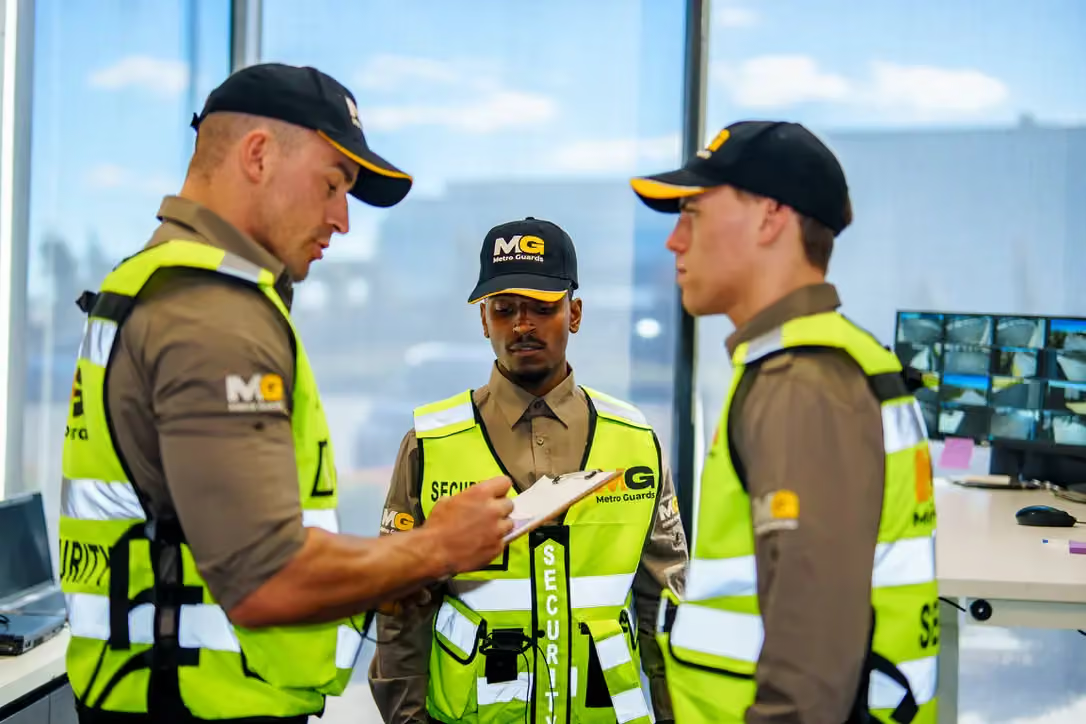
Visitor access is a daily safety task in schools and hospitals. Parents, carers, contractors and family members need clear directions, while staff need a reliable way to confirm who can enter particular areas.
Security guards in Melbourne can support that process by checking permissions and directing arrivals. Hospital access control procedures require additional coordination with clinical teams so entry checks support care, privacy and patient wellbeing.
Although their settings differ, school security guards in Melbourne and hospital officers share a practical responsibility: helping visitors reach the right person without entering areas they are not authorised to access.
In education, this means following school visitor policies and safeguarding arrangements. In healthcare, it forms part of healthcare facility safety management, with entry decisions shaped by ward requirements, clinical needs and local visiting arrangements.
What Does Effective Visitor Access Management Involve?
Visitor management connects permission, identity, destination and departure. A person may have a valid reason to attend a building without having permission to move through every part of it.
A contractor booked to repair reception lighting, for example, does not automatically need access to classrooms or a hospital pharmacy.
A practical process answers five questions:
- Who is visiting?
- Why are they there?
- Who has approved the visit?
- Where may they go?
- How is their departure recorded?
Staff also need a clear route for handling exceptions. Without one, an unexpected arrival can leave reception staff making decisions beyond their responsibilities.
Security officers can help apply these arrangements, but the organisation must define them. School leadership sets school procedures; health services establish clinical access rules. Officers need instructions that explain their role, escalation contacts and the limits of their authority.
How Schools Can Organise Visitor Entry
Direct Arrivals Through a Clearly Identified Reception Point
A school can make visitor expectations easier to follow by clearly identifying its main reception, providing readable directions and explaining how to request assistance. Contractors and invited guests should receive arrival instructions before their visit. Alternative arrangements may be needed for accessible entry, deliveries or large events.
Drop-off and pick-up periods need separate consideration because many adults may be near the grounds at once. Gate supervision should support the school's arrangements for family access and student collection.
Staff should refer unexpected collection requests to the authorised school contact rather than treating familiarity with a child as sufficient permission.
Record Visits and Apply the Appropriate Suitability Checks
The Victorian Department of Education's Visitors in Schools policy requires Victorian government schools to maintain local visitor procedures. Its minimum requirements include recording visitors' arrival and departure during school hours, their identity details and the purpose of their visit.
It also requires procedures for assessing visitor suitability. Independent and Catholic schools should follow the requirements and policies applicable to their own settings.
A sign-in record helps establish who is on site, but it does not replace permission or required checks. Depending on the visit, a school may use an appointment confirmation, visitor pass or staff escort.
Questions about suitability checks should be referred to the responsible school staff member; requirements should not be assumed to be identical for every visitor.
For an overview of the operational role, Metro Guards describes gate supervision, visitor verification and campus patrols on its educational institute security page. These activities should work within the school's approved procedures and leadership responsibilities.
How Hospitals Can Manage Access Without Disrupting Care
Match Entry Permissions to the Destination
Hospital visitors may arrive for appointments, to support a patient, to make a delivery or to complete contracted work. These purposes require different routes and permissions.
Public reception areas, inpatient wards, staff workspaces and sensitive clinical rooms should not all be treated as one access category.
A hospital's local plan can identify where visitors report, who approves ward entry and which destinations require an escort. When a visitor's request is unclear, reception or security staff should contact the relevant ward or department.
The aim is to resolve permission through an authorised contact, while avoiding unnecessary disclosure of patient information.
Patient and staff safety protocols should also account for accessibility, interpreters and support people. A distressed relative may need a clear explanation and assistance finding the correct team.
Security staff should avoid making clinical judgements about who needs treatment or whether a patient can receive a particular visitor.
Plan for After-Hours Arrivals and Emergency Department Access
Emergency department security measures need to recognise that people may arrive in pain, frightened or uncertain about what happens next.
Entry arrangements should provide an obvious route to clinical assessment, keep essential access paths clear and identify how staff can request security assistance. Security screening and clinical triage need coordinated responsibilities.
After-hours instructions should explain which entrance is available and how visitors contact the appropriate team. A locked daytime reception should not leave people guessing where to seek help.
Exceptions, including compassionate visiting requests, should be referred to the authorised clinical or management contact under the facility's policy.
The site's healthcare security services page provides further context on visitor management, restricted clinical areas and after-hours coverage. Individual hospitals still need arrangements that reflect their layout, patient services and clinical governance.
Practical Steps for Unauthorised Visitor Prevention
A welcoming entrance can still have clear boundaries. Useful measures include consistent visitor passes, staff awareness of reporting procedures and doors that close correctly after authorised use.
A visitor badge should indicate the permission granted; it should not become an informal pass to every building or department.
Staff should know what to do when someone follows another person through a controlled doorway. Depending on the situation, the appropriate response may be to offer directions, ask the person to report to reception or contact security.
Staff should not be expected to confront someone where doing so would expose them to danger.
Contractor access deserves its own checks. Confirming the work order, responsible contact and approved work area can prevent misunderstandings. Temporary credentials should expire or be returned when work ends.
Lost passes, faulty locks and doors repeatedly left open should be reported for corrective action.
How Communication Supports Violence Prevention
Hospital violence prevention measures should sit within a broader approach to workplace risk. WorkSafe Victoria's guidance on violence and aggression in health services is a useful resource for facilities reviewing their arrangements.
Visitor access is one part of that work; it cannot compensate for unclear responsibilities or unresolved operational hazards.
At the entrance, calm explanations can make a difficult interaction easier to manage. Staff can explain the access rule, identify who can review a request and give the visitor a practical next step.
For example: "The ward needs to approve visits at this time. I can contact the nurse in charge for you."
Schools can use the same communication principle when a parent arrives without an appointment or a contractor requests access beyond the approved work area.
Officers and reception teams should apply rules consistently, recognise when assistance is needed and escalate concerns through the agreed process.
What Happens When an Access Issue Becomes an Incident?
Healthcare facility incident response should connect security staff with clinical teams and the organisation's emergency arrangements.
The Victorian Department of Health requires Victorian public health services to define their Code Grey response and maintain a Code Grey alert separate from Code Black.
Staff must follow their facility's procedures rather than assume every hospital uses identical operational arrangements.
Schools likewise need visitor-related incidents addressed within their own emergency plans. Staff should know who can initiate emergency actions, how to communicate concerns and where visitors receive instructions.
Guards should be briefed on the site's procedures and reporting lines before undertaking the role.
After an incident, records should distinguish observed facts from assumptions. Relevant details may include the location, time, behaviour observed, people notified and actions taken.
Sensitive information should be handled through approved systems and shared only with those who need it for their responsibilities.
Protect Visitor Information and Review the Process
Visitor registers can contain personal information. Schools and hospitals should decide what they need to collect, explain the purpose where appropriate and control access to the records. A register left open on a counter may expose earlier visitors' details.
Digital systems also require appropriate permissions and a workable backup process.
Review should cover ordinary days as well as incidents. Walk through the arrival process from a visitor's perspective: can someone find reception, request accessible entry and understand where to wait?
Check whether temporary signs, building works or changed visiting hours have made the published directions inaccurate.
A useful review also asks staff about recurring problems. Repeated requests for directions may reveal poor signage; recurring access disputes may indicate unclear rules. Assign responsibility for improvements and check whether the changes resolve the issue.
Technology and staffing decisions should follow the identified need.
Build an Access Process People Can Follow
The most useful visitor arrangements are clear enough to apply during a busy morning or an unexpected arrival. They identify where people report, who approves access, how concerns are escalated and what happens when someone leaves.
Schools and hospitals need different details, but both benefit from consistent instructions, respectful communication and regular review. Metro Guards outlines services for both sectors; any site-specific plan should begin with the institution's own risks, policies, and responsibilities.
Frequently Asked Questions
What Do Security Guards Do at a School Entrance?
They can direct visitors to reception, check access permissions, support gate supervision and report concerns, depending on their assignment. School security guards in Melbourne should work within the school's visitor policy and escalation arrangements.
School leadership remains responsible for decisions assigned to it under applicable policies.
Do All Hospital Visitors Need the Same Checks?
No single process suits every destination or visit. A hospital may set different arrangements for public areas, wards and restricted departments. Visitors should follow the facility's current instructions, while staff refer exceptions to the appropriate authorised person.
Can Guards Replace a Visitor Management System?
Guards, reception procedures and access technology serve related roles. An officer can help verify permission and respond to concerns; a register records a visit; a controlled door limits entry.