


Loss prevention is a critical concern for businesses of all sizes. It involves strategies and measures aimed at safeguarding a company’s assets, both tangible and intangible. In this article, we will explore effective loss prevention strategies that can help protect your business from financial setbacks, theft, and damage.
Understanding Loss Prevention Identifying Vulnerabilities Before implementing loss prevention strategies, it’s essential to identify potential vulnerabilities within your organization. These vulnerabilities could include weak security systems, inadequate employee training, or unaddressed risks.
Analyzing Risk Factors Conduct a thorough analysis of risk factors, both internal and external. Understand the specific threats your business might face, such as theft, data breaches, or supply chain disruptions.
Employee Training and Awareness Creating a Culture of Security Foster a culture of security within your organization. Ensure that every employee understands their role in safeguarding the company’s assets. This includes training on security protocols and ethical behavior.
Ongoing Training Programs Implement ongoing training programs to keep employees updated on the latest security measures and potential threats. Regular training sessions can empower your workforce to act as the first line of defense against losses.
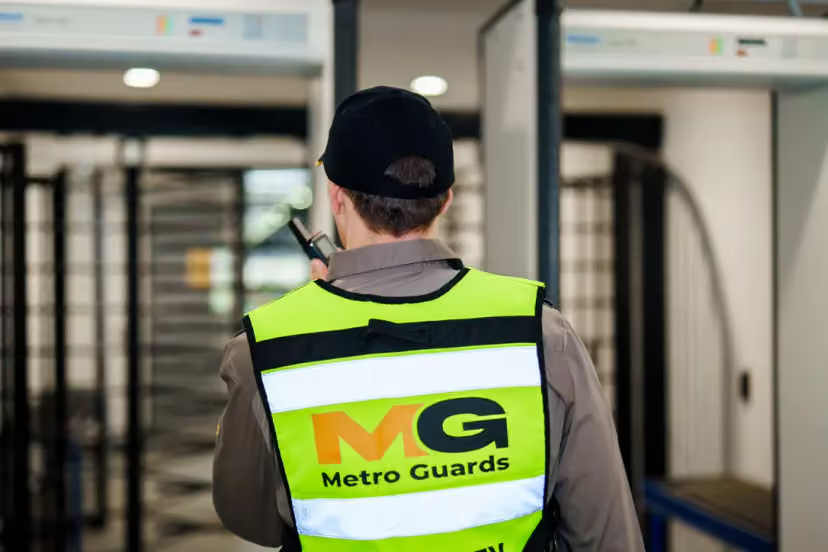
Robust Access Control Measures Key Card Systems Utilize key card systems to restrict access to sensitive areas. This technology provides a trackable and secure way to monitor who enters and exits specific locations.
Biometric Scanners For added security, consider biometric scanners, such as fingerprint or retina scans, to ensure that only authorized personnel can access certain areas of your business.
Surveillance and Security Systems CCTV Cameras Install CCTV cameras to monitor your premises. Visible cameras can act as a deterrent, and recorded footage can be invaluable in investigating incidents.
Alarm Systems Integrate alarm systems that trigger alerts in the event of unauthorized access or security breaches. Quick responses can minimize potential losses.
Inventory Management Regular Audits Regularly audit your inventory to account for any discrepancies. Identifying missing items promptly can prevent further losses.
Inventory Tracking Software Implement inventory tracking software to maintain real-time visibility into your stock. This technology can help you track inventory movement and identify any irregularities.
Supply Chain Security Supplier Verification Ensure your suppliers follow security standards. Verify their reliability and security measures to prevent disruptions in your supply chain.
Secure Transportation Safeguard your products during transportation by using secure methods and tracking systems. This prevents theft and damage in transit.
Cybersecurity Measures Data Encryption Encrypt sensitive data to protect it from cyberattacks. Data breaches can lead to significant financial losses and reputational damage.
Regular Software Updates Regularly update software and systems to patch vulnerabilities. Outdated software can be an easy target for cybercriminals.
Employee Accountability Internal Controls Implement internal controls to ensure employees cannot exploit weaknesses in your systems. This includes access restrictions and oversight.
Reporting Mechanisms Establish reporting mechanisms for employees to confidentially report suspicious activities. Encourage open communication about potential threats.
Emergency Preparedness Response Plans Develop and rehearse response plans for various scenarios, from natural disasters to data breaches. Being prepared can mitigate losses.
Crisis Communication Effective communication during crises is crucial. Have a clear communication plan to keep stakeholders informed.
External Threats Cyber Threats Stay vigilant against cyber threats by implementing firewalls, intrusion detection systems, and employee awareness training.
Physical Threats Protect your physical assets with security measures such as fencing, locks, and surveillance systems.
Legal Compliance Intellectual Property Protection Ensure your intellectual property is legally protected. Violations can result in significant financial losses.
Regulatory Adherence Adhere to industry-specific regulations and standards to avoid penalties and loss-related legal issues.
Case Studies: Successful Loss Prevention Explore real-world examples of companies that successfully implemented loss prevention strategies, showcasing the positive impact on their bottom line.
Conclusion Effective loss prevention strategies are essential for safeguarding your business against various threats. By identifying vulnerabilities, implementing robust security measures, and fostering a culture of security, you can reduce the risk of financial losses and protect your assets.
Frequently Asked Questions (FAQs) What is the primary goal of loss prevention? The primary goal of loss prevention is to protect a business’s assets from theft, damage, or other forms of loss. How can employee training contribute to loss prevention? Employee training can empower your workforce to recognize and respond to security threats, reducing the risk of losses. What are some common external threats that businesses face? Common external threats include cyberattacks, natural disasters, and physical theft. Why is cybersecurity a crucial component of loss prevention? Cybersecurity is crucial because it protects sensitive data from theft and unauthorized access, preventing financial losses and reputation damage. How can I ensure legal compliance in loss prevention? Legal compliance in loss prevention involves adhering to industry-specific regulations, protecting intellectual property, and taking steps to prevent legal issues related to losses. In this article, we’ve covered various loss prevention strategies to help you safeguard your business. By implementing these measures, you can minimize the risk of financial losses and protect your assets.