

The Gap a Christmas Shutdown Creates
During a normal week, someone opens the gate most mornings. They might notice that a fence panel has moved or that a lock no longer catches. During a shutdown, the same fault can sit there until the supervisor returns. The longer it goes unnoticed, the longer someone may have access to the site.
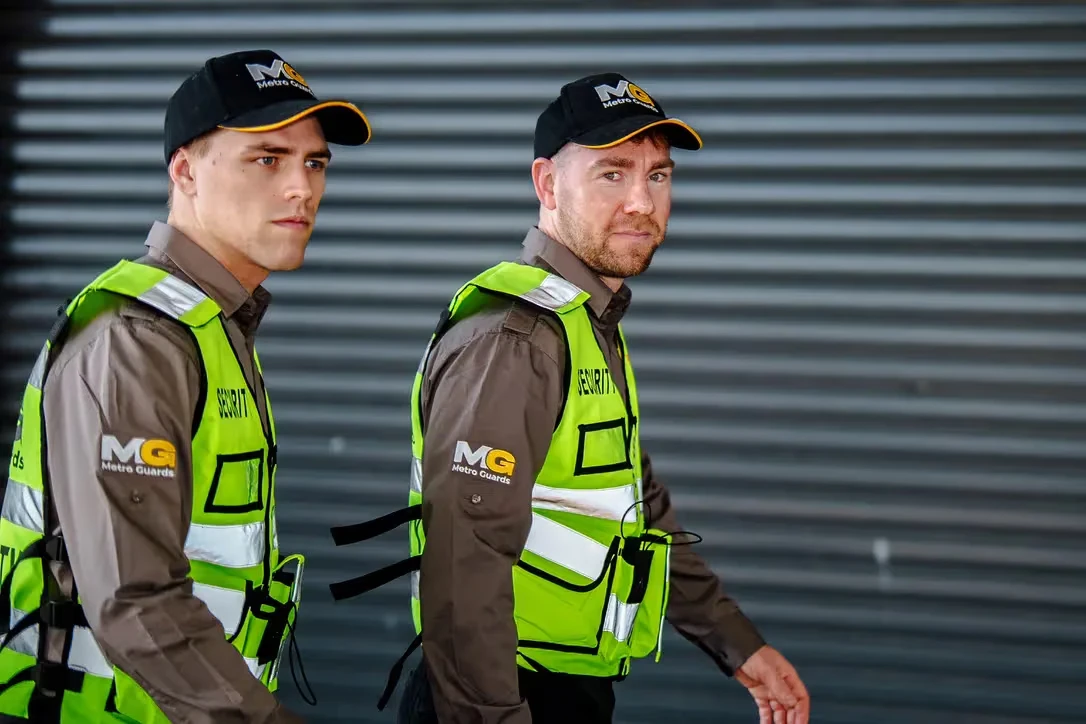
A patrol helps shorten that gap. An officer visits the site, checks the places set out in the brief and records what they find. If something has changed, the person on call can decide what to do while the issue is still recent.
Look at the property as it stands on the last day of work. An early works site may have a small compound beside a large excavation. A project near fit-out may have more enclosed areas and stock beside a temporary entrance. The security needs at each build stage can help you decide what belongs on the route.
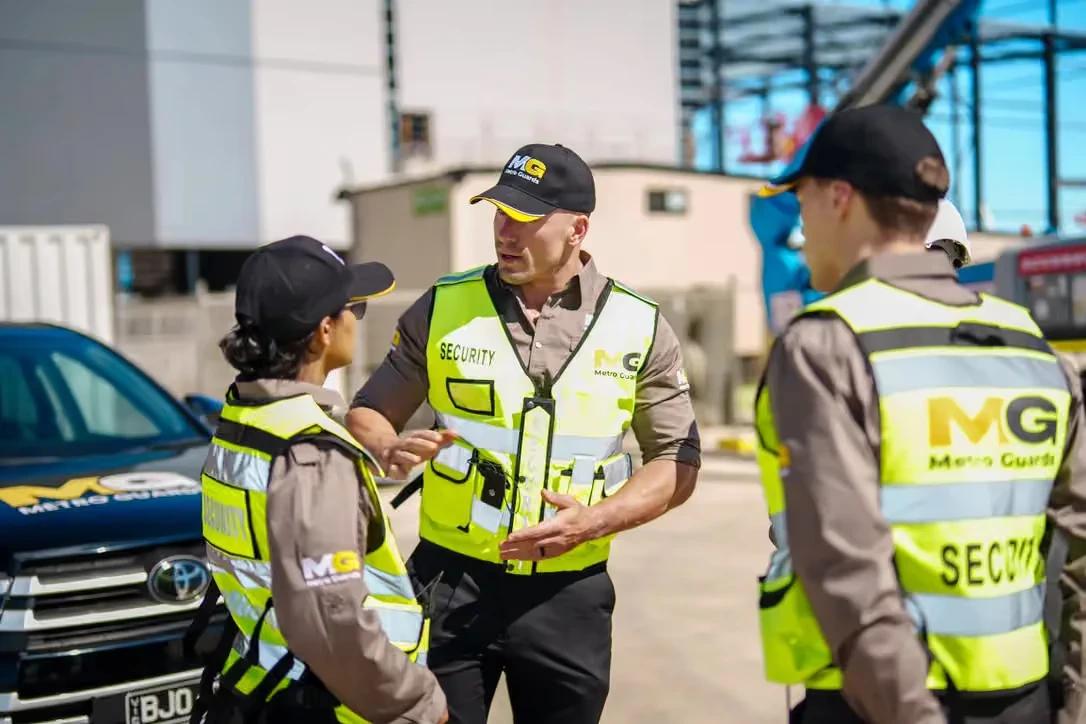
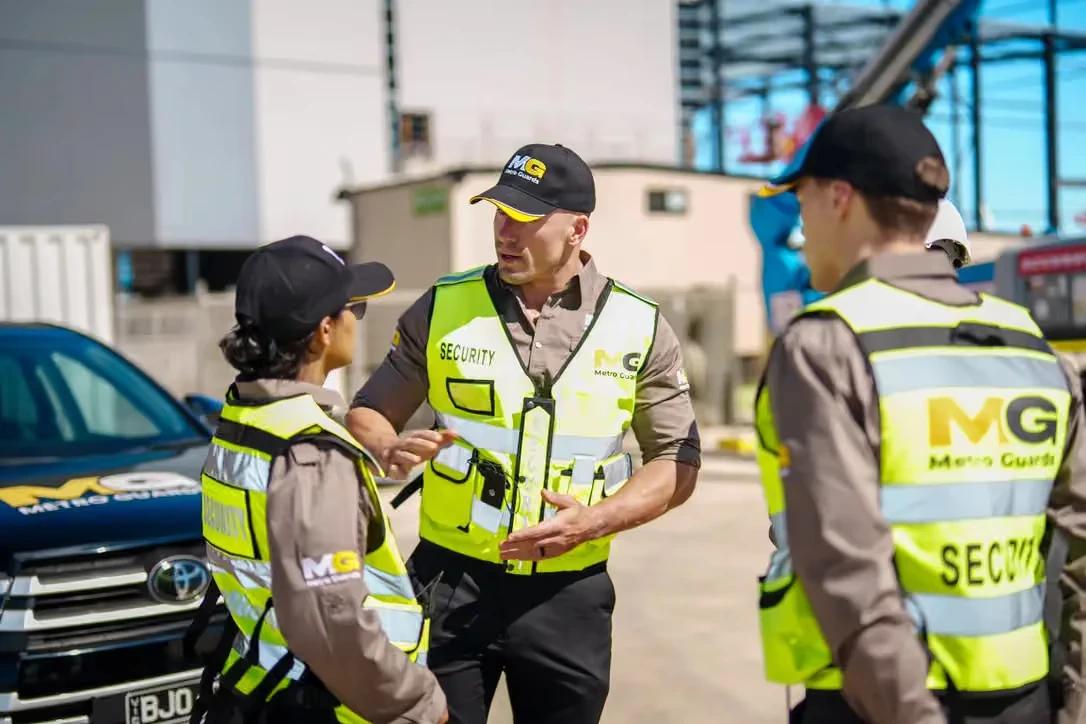
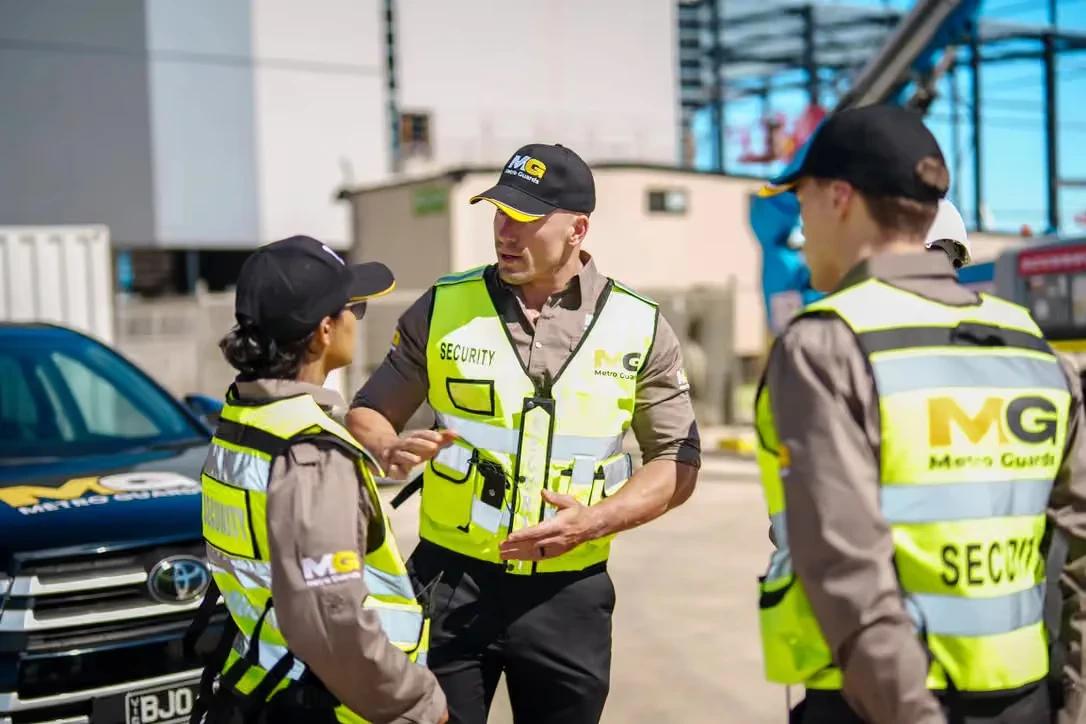
Construction site security patrols during Christmas shutdowns give builders a physical check between shifts. Plan Christmas shutdown patrols around the points most likely to change, such as access gates and temporary fencing.
What a Construction Patrol Can Pick Up
1. A Gap in the Perimeter
An officer can compare agreed fence sections and gates with their condition at lock-up. Give them a reference that identifies each spot. “Panel beside the western vehicle gate” gives a supervisor more to act on than “fence damaged”.
Temporary fence panels may move during bad weather or after someone tries to get in. From a safe route, the officer can report the opening and note if the public can reach it. The site team decides how to restore the barrier.
2. Changes Around Plant and Materials
Officers can check a designated compound and look for visible damage to containers or tool stores. If the site team wants a specific item checked, record its location and how the officer can identify it from the approved route.
A patrol log can show when a change first came to someone’s attention. Keep your own asset register and photos so you can compare the report with what the crew left on site. A patrol officer can flag a discrepancy for you to verify.
3. Access That Stayed Open After a Visit
A contractor might need entry for a service check while the rest of the crew is on leave. The gate may look shut from the road yet fail to latch after the visit. A check timed after the contractor leaves can pick up that fault. If the site needs a separate handover, arrange lock-up and open-up cover and agree who secures the gate.
4. A Report That Needs Action Before Reopening
An officer may find an issue that takes a few minutes to report but a day to resolve. Give the patrol team a contact who can authorise help over the break. Use the incident notes to pass the location and time to your site supervisor, even if a temporary repair is already in place.
Construction site mobile patrols in Melbourne can include perimeter checks and agreed visits to plant compounds. For after-hours building site patrols, ask for the times and patrol checkpoints that matter to your site.
What One Patrol Found at a Truganina Project
During a routine night patrol at a distribution warehouse construction site, a Metro Guards officer identified unsecured compound gates and an activated alarm. The team responded under its site procedures and coordinated with Victoria Police. The incident ended with no reported loss or damage. Read the Truganina construction security case study.
The case shows why a patrol brief should name the compound as well as the main entry. A drive past the front fence gives an officer a view of the public side. A check at designated points can reveal a problem deeper in the site, where access is safe and authorised.
How to Give a Patrol Officer a Route They Can Use
Walk the route with your team before the final shift. Think about what will change once the temporary lights go off or a delivery gate closes for the break. Your brief should give the officer enough detail to complete the check and tell you about any part they could not reach.
- Mark the entry: Identify the gate the officer should use and how to secure it on departure. Tell the patrol team if access changes during works.
- Number the checkpoints: Give each gate or compound a name tied to the map. List the condition the officer should expect on arrival.
- Show areas to avoid: Keep the route away from open excavations or unstable surfaces. Review it if site conditions change.
- Set the call threshold: Say what needs immediate contact and what can wait for a routine shift record. Give the officer a backup contact.
- Record missed checks: If a vehicle or locked barrier blocks a checkpoint, ask the officer to record why. Your team can then decide how to check that area.
A sketch with clear marks can work better than an old drawing that shows gates in last month’s positions. If you want a hand planning the checks, discuss construction patrol coverage before crews leave.
List the signs of equipment theft or damage the officer should report. Set the rule for incident escalation and who handles alarm call-outs before contractors use the site.
How Often Should a Site Get a Christmas Patrol?
Look at the length of the break and what stays on site. Add any recent attempts at entry or repeated problems with a gate. Timing matters as much as the number of visits. If a trades team has access at midday, a check soon after it leaves serves a different purpose from an overnight visit.
You can ask for visits at agreed times or have the patrol team vary the timing within a window. Use a fixed window when a check must follow an approved visit or lock-up. For general overnight checks, varied arrival times make the routine harder to predict. See how mobile patrol schedules work.
A site supervisor should revisit the plan if the conditions change. After a storm or a forced gate, a check at the next regular time may leave an exposed site for too long. Agree in advance how to request an extra visit and when to ask for continuous cover.
When a Guard Makes More Sense
Use an on-site security officer for shifts that need a person present throughout. A gate may need someone there while trades attend, or damage may leave an opening while a repair crew is unavailable. You can use a guard during those hours and resume patrols once the area is secure.
When to Add Alarm Response
Agree on who receives an alert and who can request an officer to attend. Give the patrol team access instructions for the relevant zone. If you have cameras, the site team or provider can use their view to help direct the officer. Learn what an alarm response call-out covers.
Two Visits With Different Jobs
Consider a townhouse project in Tarneit. A trade team has approval to enter on the Monday of the break. A visit after it leaves checks that the trade gate latched and the compound is secure. A later visit can focus on the rear perimeter that faces away from the road.
Give each visit a purpose in the brief. If the trade cancels, tell the patrol team so they can move the first check or change its scope. Keep the later round if the perimeter still needs attention overnight.
What a Patrol Report Should Tell the Site Supervisor
Ask for the time of the visit and the checkpoints the officer reached. If the officer finds damage, the record should show which point it affects and who received the alert. A photo can help, where safe and permitted. Record any temporary action so the next officer knows what to expect.
Review the reports before the first crew arrives. Put outstanding issues on the supervisor’s list so a damaged access point or a route blocked during the break gets a follow-up. Keep the last report with the site handover record.
Holiday construction security works best when construction patrol reports show which checkpoints were reached and whether contractor access changed the route.
What Should Trigger a Change in Patrol Frequency?
Review the schedule when a fence fails, a subcontractor takes over a compound or the value of stock left on site changes. A report of a blocked checkpoint calls for a different decision from a report of damage at a checkpoint the officer reached. In the first case, agree on another safe route or a separate check. In the second, have the site supervisor assess whether the area needs a repair, a return visit or a guard for a defined shift.
Christmas Construction Patrol FAQs
Can an officer check the site if the main gate is locked?
An officer can carry out agreed external checks where access permits. Internal checkpoints need an approved entry method and a safe route. Confirm both before you book so the report reflects what you expect the officer to cover.
Can a patrol stop every attempt at theft?
Patrols can deter some attempts and help spot signs of entry. There are gaps between visits. A secure perimeter, a clear plan for alarm response and an officer on site at higher-risk times can provide extra cover where the site needs it.
Can we book patrols for part of the Christmas break?
Yes, subject to availability. Tell us which dates the site will be unattended and which shifts your own team will cover. You can request checks for those gaps or ask about extra visits after an approved contractor leaves.
Arrange Christmas Patrols for Your Melbourne Building Site
Share your site location and closure dates. Tell us which entry officers can use and what you want them to check. Metro Guards can put those checks into a patrol quote before the crew leaves.